
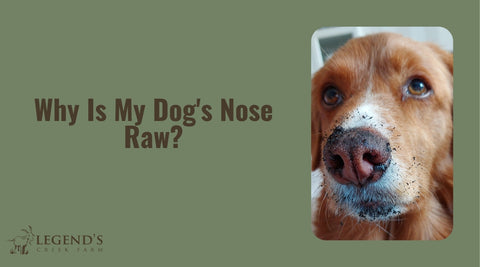
A raw dog nose is often caused by sunburn, allergies, infections, excessive licking, or irritants like plastic bowls or lawn chemicals. It’s a sign that the skin is damaged and needs healing, not just moisture, but real nourishment and protection.

The good news is there’s a safe and effective way to help.
At Legend’s Creek Farm, we’ve created a dog-safe Nose Balm that does more than just coat the surface, it hydrates, heals, and protects using gentle, lick-safe ingredients like lanolin, calendula, and avocado oil. Whether your pup’s nose is dry from allergies, crusty from hyperkeratosis, or raw from rough terrain, our balm supports healing naturally, no steroids, no synthetics, no guesswork.
Why Use a Nose Balm on a Raw Dog Nose?
-
Deeply moisturizes cracked or flaky skin
-
Creates a breathable barrier to shield against the sun, wind, and allergens
-
Contains no toxic ingredients, safe if licked
-
Soothes inflammation from allergies or environmental triggers
-
Promotes healing with herbs and oils that dogs actually tolerate
-
Helps prevent future dryness and trauma-related rawness
Want to understand the root causes and how to treat them safely? Let’s break it down.
Common Causes of a Raw Nose in Dogs

If your dog’s nose looks red, dry, scabby, or even bleeding, you’re probably wondering, what happened?
A healthy dog’s nose is usually cool, moist, and smooth, so when it suddenly looks raw or irritated, it’s often a sign that something deeper is going on.
Here are some of the most common reasons your dog’s nose might be raw, and what you need to know about each one.
Sunburn
Dogs with light-pigmented or pink noses are especially vulnerable to UV damage. Even a few hours in the sun can cause redness, flaking, or blistering, especially in summer or at high elevations. Sunburn can also worsen underlying skin conditions or lead to chronic raw spots if not addressed early.
Nose Hyperkeratosis
This condition occurs when too much keratin builds up on the nose, creating a crusty, hardened surface that may crack or peel. It’s especially common in brachycephalic breeds like bulldogs and boxers, or senior dogs. While it may look harmless at first, untreated hyperkeratosis can lead to deep, painful cracks and infections.
Allergies
Environmental triggers like pollen, mold, or grass, or even food sensitivities, can cause dogs to itch, rub, or lick their noses excessively. Allergies can show up seasonally or year-round and often lead to raw, inflamed patches around the snout and mouth.
Excessive Licking or Rubbing
Whether it’s boredom, anxiety, or an allergic itch, many dogs self-soothe by licking or rubbing their faces, especially on furniture, carpet, or their paws. Over time, this can wear down the delicate skin on their nose, leading to rawness and even open sores.
Infections
A raw patch may be the result of a bacterial, fungal, or yeast infection. These infections often set in after the skin has already been damaged (from licking, trauma, or dryness) and can worsen quickly without treatment. Look for swelling, oozing, or an unusual smell as possible red flags.
Plastic Bowl Dermatitis
Yes, your dog’s food and water bowls could be to blame. Some dogs develop contact dermatitis from plastic materials, which can cause redness, swelling, or raw spots on the chin and nose. If you're using plastic, switch to stainless steel or ceramic and monitor for improvement.
Environmental Chemicals
Lawn fertilizers, household cleaners, de-icers, or other chemical irritants can all affect your dog’s skin, especially if they like to sniff the grass or rub their face on the carpet. Rawness from unknown chemicals often shows up suddenly and may not respond well to standard topical treatments.
Autoimmune Conditions
In more serious cases, raw nose lesions could be a sign of an autoimmune disease like lupus or pemphigus. These conditions often cause sores that don’t heal, scabbing, depigmentation, or crusting. If steroid creams are not helping, and the problem keeps returning, your vet may recommend a biopsy to confirm the diagnosis.
Skin Trauma from Digging or Play
Dogs that dig in the dirt, bury their faces in planters, or wrestle with toys (or other pups) may scratch or scrape their noses. These injuries might not seem like a big deal at first, but even minor wounds can become raw, infected, or inflamed if your dog keeps rubbing the same area.
Tumors or Growths
While rare, persistent raw patches that grow in size, change shape, or bleed easily could signal a tumor. Benign or malignant growths can appear on the nose, like anywhere else on the body. If a spot fails to heal or appears to be getting worse despite treatment, have your vet evaluate it right away.
How It May Differ Based on Your Dog

Not all raw noses are created equal. The cause (and solution) often depends on your dog’s age, breed, lifestyle, and sensitivities. Here’s what to consider based on your dog’s unique situation.
New Dog Owners
If you’re new to the world of nose boops and belly rubs, it’s easy to miss the early warning signs. A little dryness might seem harmless, but it could be sunburn, contact irritation from plastic bowls, or even stress-related licking.
Keep an eye out for subtle changes, especially after outdoor play or a switch in food or grooming products.
Senior Dogs
For older pups, a raw nose could point to something more complex. Immune-related conditions like discoid lupus or pemphigus are more likely to appear with age, and healing tends to be slower overall. If the nose stays raw despite treatment, or develops depigmentation or crusting, your vet may recommend deeper testing, like a biopsy, to rule out serious causes.
Short-Nosed Breeds
Bulldogs, pugs, boxers, and other brachycephalic breeds are prime candidates for nasal hyperkeratosis, a condition where thick, crusty skin builds up on the nose. Their compact snouts also trap dirt, yeast, and moisture, making raw patches more likely. Routine nose moisturizing is a must for these dogs, especially in dry or hot climates.
Allergy-Prone Dogs
If your dog licks, rubs, or scratches his face constantly, allergies might be to blame. Whether it’s pollen, dust, grass, or even certain proteins in food, allergic reactions often show up on the nose first. Swelling, redness, and even small open sores are common. You may also notice seasonal flare-ups or reactions after exposure to new environments.
Outdoor Adventurers
For dogs that live life nose-first, hiking, digging, or exploring, rawness is often a result of minor trauma or sun exposure. Sniffing soil in planters or pushing through brush can cause micro-abrasions, while long days in the sun can easily lead to burns on exposed noses. Insect bites are another culprit, especially in wooded areas or tall grass.
How to Treat a Raw Nose on a Dog

Once you’ve figured out what’s irritating your dog’s nose, the next step is healing, and doing it the right way matters as much as doing it quickly.
Some treatments soothe the skin and speed up recovery. Others (even well-intentioned ones) can make things worse.
Let’s start with what does help:
What To Do
-
Use a nose balm: Moisturizers with lanolin, beeswax, or coconut oil are perfect for rehydrating dry, cracked skin. These ingredients are not only soothing, they’re also safe if your dog licks them off (and they will).
-
Limit sun exposure: If your dog has a light-colored or hairless nose, it’s especially vulnerable to sun damage. Limit outdoor time during peak sunlight hours or use a dog-safe sunscreen to protect that sensitive skin.
-
Switch plastic bowls to stainless steel or ceramic: If your dog is still using plastic bowls, now’s the time to upgrade. Stainless steel or ceramic won’t leach chemicals or trap bacteria that could irritate your dog’s face.
-
Address allergies through diet or vet-guided treatments: Chronic nose inflammation may be your dog’s way of saying, “I’m allergic to something.” Consider an elimination diet, allergy testing, or antihistamines under your vet’s guidance.
-
Keep the area clean, but don’t overdo it: Gently wipe the area with a warm, damp cloth once or twice daily. Skip harsh soaps, scrubbing, or over-washing, which can strip away the skin’s natural oils.
What Not To Do
-
Don’t use human ointments or essential oils: Products like Neosporin, tea tree oil, or eucalyptus may seem soothing, but they’re often toxic to dogs, or at least irritating. What works on your skin may be too harsh for theirs.
-
Don’t scrub or pick at crusty skin: It’s tempting to remove the flaky bits, but doing so can cause bleeding or even infection. Let the skin heal on its own, with gentle moisture and protection.
-
Don’t ignore non-healing spots: If your dog’s nose is not improving within 5–7 days, or if the area looks ulcerated, it’s time to ask your vet about a biopsy or more advanced treatment.
-
Avoid over-the-counter steroids without approval: While steroids can reduce inflammation, they also suppress the immune system. In the wrong case (like an infection or autoimmune condition), they can do more harm than good.
When to Call the Vet

Most cases of a raw dog nose are nothing to panic over. A little dryness, a mild reaction to the weather, or even an allergy flare-up can all resolve with proper care. But sometimes, that red, raw patch goes beyond a simple skin issue, and delaying action could make the problem worse.
Here are the signs that your dog’s nose might need professional attention.
It’s Not Improving In 5–7 Days
If you’ve tried moisturizing, changed their bowls, and ruled out obvious irritants, but the nose still looks raw or irritated after a week, it’s time to involve your vet. Chronic conditions often require treatments beyond topical solutions to heal.
The Area Becomes Oozing, Bleeding, Or Ulcerated
Any discharge, active bleeding, or ulceration suggests a possible infection, or in rare cases, an autoimmune or cancerous condition. These symptoms should never be managed at home.
Your Dog Seems In Pain Or Starts Sneezing A Lot
If your dog flinches when you touch their nose, avoids food, or develops excessive sneezing, there may be inflammation inside the nasal passages or deeper tissue involvement. This could point to a fungal infection, a foreign body, or a sinus-related illness.
A Bump Or Hard Mass Appears
Lumps, nodules, or thickened areas under the skin shouldn’t be ignored. Some benign growths may resolve with care, but others, like nasal tumors or autoimmune granulomas, require diagnosis through biopsy.
The Raw Patch Grows Or Spreads
If redness begins to move up the snout, toward the eyes, or around the lips, it could be a sign of a spreading infection or systemic illness. Faster intervention typically leads to faster, more complete healing.
Conditions like discoid lupus, pemphigus, and nasal cancer are rare, but real, and they often start with what looks like a harmless scab or sore. If your gut says something’s not right, listen to it. Your dog’s nose can be one of the earliest indicators of a deeper health issue.
Can I Use Betadine Or Other Human Products?

When your dog’s nose is red and raw, it’s tempting to reach for whatever’s in your medicine cabinet. However, even if a product works for people, that doesn’t necessarily mean it’s safe or beneficial for your pup.
Here’s the truth about common human remedies.
Betadine
Yes, you can use Betadine, but only sparingly and diluted. It’s an antiseptic, so it can help clean minor wounds or reduce surface bacteria. That said, Betadine is not intended for long-term use and does not moisturize or protect cracked skin. Think of it as a short-term disinfectant, not a healing balm.
Vaseline
It’s a household staple for dry skin, but Vaseline may not be suitable for dogs. While technically non-toxic, it can trap dirt and bacteria under the surface, especially if your dog licks it off (which they will). Plus, it doesn’t actively nourish or repair damaged skin.
Coconut Oil
Natural and safe in small amounts, coconut oil can offer temporary relief for dryness. The downside? It’s tasty to most dogs and often gets licked off before it has a chance to do any good. For chronic nose issues, you’ll need something that stays put longer and offers deeper healing.
Whether your dog is dealing with dryness, allergy irritation, or seasonal sunburn, our balms hydrate, protect, and soothe without any of the risks that come with human products.
When in doubt, go with products that are made for dogs and trusted by dog parents. The goal goes beyond healing, it’s about healing in a safe way.
Why the Right Treatment Matters

When your dog’s nose is raw, the instinct to help quickly. But reaching for the wrong product, even with the best intentions, can make things worse.
Some balms clog pores. Others include tea tree oil, eucalyptus, or mystery ingredients that are irritating at best and toxic at worst. And too many “pet-safe” creams are anything but, filled with synthetic fragrances, alcohols, and fillers your dog’s skin doesn’t need.
That’s why so many pet parents trust our balms. Our formulas use safe, time-tested ingredients like lanolin, coconut oil, and herbal extracts, blended specifically for pets with sensitive skin, allergies, or chronic dryness.
Benefits of Using Our Nose Balm:
-
Gentle enough for daily use, no burning, stinging, or irritation
-
100% lick-safe with no questionable preservatives
-
Repairs rawness and prevents future dryness
-
No artificial scents or additives, perfect for allergy-prone pups
-
Loved by sensitive dogs and trusted by holistic vets
When it comes to your dog’s nose, less is more. Simple, nourishing ingredients often work better and faster than anything filled with chemicals or guesswork.
🐾 Shop our Nose Balm now and give your dog the healing they need, with zero compromise.
FAQs About Dog’s Raw Nose
When your dog’s nose looks raw and sore, and nothing seems to help, it’s easy to spiral into worry. Many pet parents feel confused, frustrated, and even guilty when the usual fixes don’t work.
If that’s you, you’re in good company. Here are some of the most common questions we hear, and what you need to know.
Is it from him pushing his nose into planters?
Yes. Dogs that love to nose-dive into planters or garden soil may end up with micro-tears from rough surfaces or exposure to bacteria. On top of that, the skin on the nose is especially sensitive to UV rays, so sun reflecting off soil can cause burns in a short time.
Could it be the lawn spray?
Definitely. Many landscaping companies use chemical fertilizers or weed treatments that can linger in the grass. If your dog is sniffing or rolling in those areas, it can trigger allergic reactions or contact dermatitis, especially on the nose and paws. If you’re not sure what’s being used, it’s smart to avoid those zones entirely.
Could it be stress?
Yes. Dogs going through changes, like moving, a new family member, or loss of a companion, may start compulsive licking or rubbing. Emotional stress can trigger real physical symptoms, and the nose is often one of the first places you’ll notice them.
Why does only one of my dogs have this?
It’s a fair question, especially if your dogs eat the same food and play in the same yard. The truth is, genetics, behavior, and nose shape all influence how each dog responds to environmental stressors. One pup may be more prone to licking, while the other has a naturally more resilient skin barrier.
If you’re feeling overwhelmed, please don’t blame yourself. Many raw nose cases take time to resolve, and most dogs recover fully once the right trigger is identified. You’re doing the right thing by digging deeper.